

Fox
Scientific Name
Vulpes vulpes
Season
December To April
Size
4-8 kg In Weight And 62-72 cm In Length
Characteristics
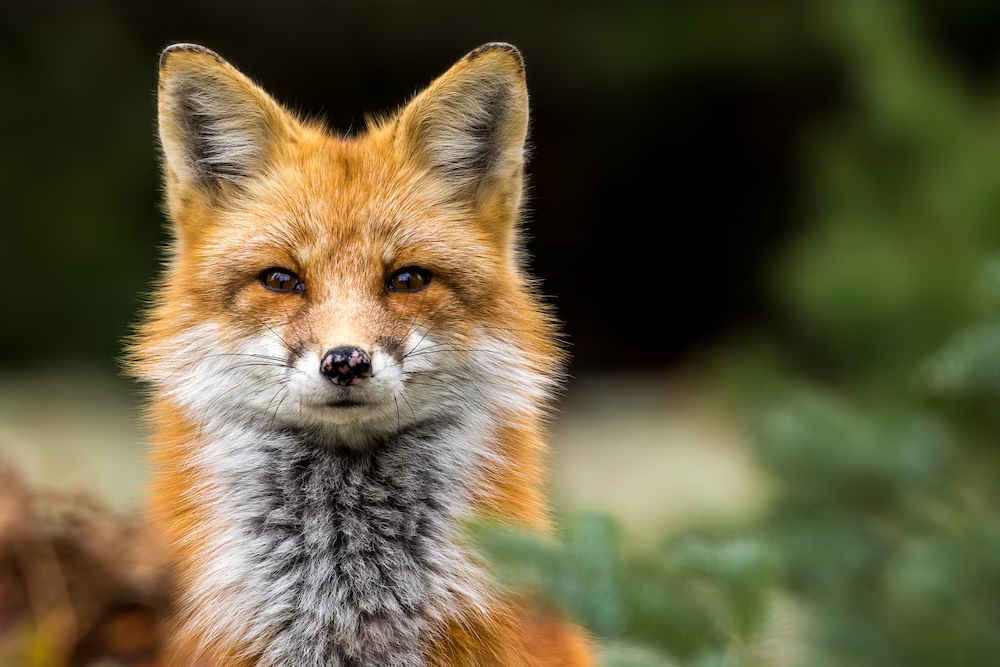
Foxes are reddish-brown canids with agile, thin faces and pointed ears. Most foxes have white fur on their chests and feet.
Public Health Risk Level:
Low
Property Damage Risk Level:
Medium

Frequently asked questions
They pose a moderate risk to public health and property. Foxes rarely attack humans or healthy pets like cats and dogs, but they can carry parasites such as fleas, ticks, and sarcoptic mange, as well as bacterial diseases like Leptospirosis. In terms of damage, they are a significant nuisance, frequently digging up lawns, raiding bin bags, tearing up fruit gardens, and leaving highly pungent scent markings around your property.
Foxes are protected by strict wildlife legislation, including the Animal Welfare Act. It is completely illegal to use poison, gas, or self-locking traps against them, and you cannot block an active fox den while it is occupied. Relocation is also heavily restricted because abandoning a captured wild fox in an unfamiliar territory causes extreme distress and often results in its death, meaning professional management focuses heavily on exclusion and deterrence.
Foxes are opportunistic scavengers drawn to easy sources of food and shelter. If you leave pet food outside, have accessible rubbish bins, use fertilisers containing blood or bone meal, or keep outdoor livestock like chickens and rabbits, foxes will repeatedly visit. They also look for safe spaces to establish a den, which frequently includes overgrown gardens or the dark cavities underneath garden sheds and decking.
The most effective long-term solution is to make your property uninviting and inaccessible. This involves securing rubbish in heavy duty plastic or metal bins, clearing away windfall fruit, and avoiding leaving food outside. Physical proofing is also essential. Invicta Environmental can install specialised mesh barriers buried deep into the ground to prevent foxes from digging underneath your sheds, decking, or garden fencing, humanely forcing them to move elsewhere.