

House Mouse
Scientific Name
Mus musculus
Season
Autumn, Winter And Spring
Size
7-10 cm In Length
Characteristics
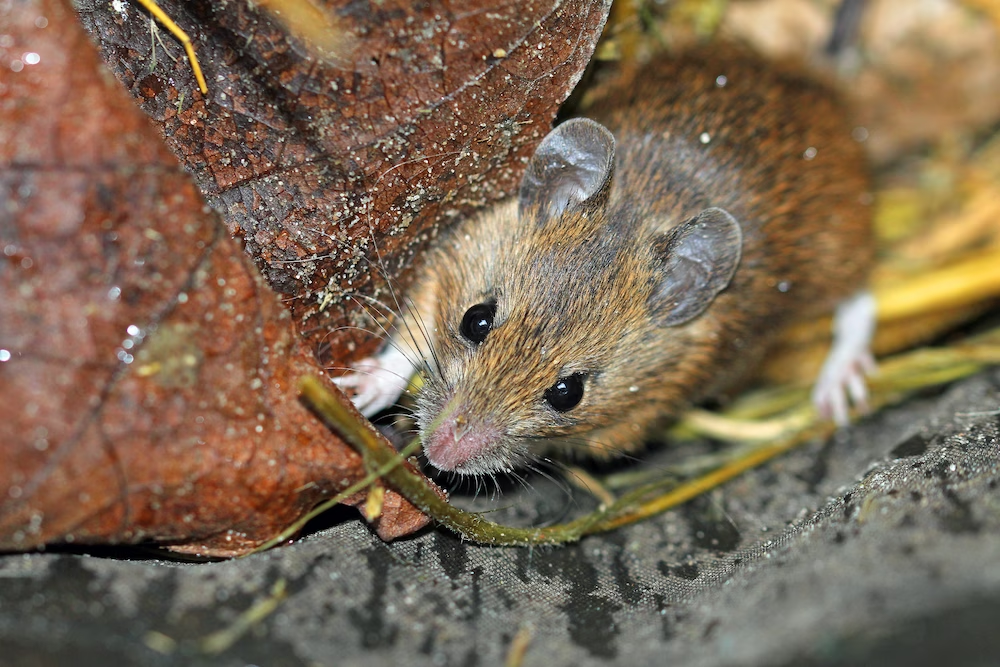
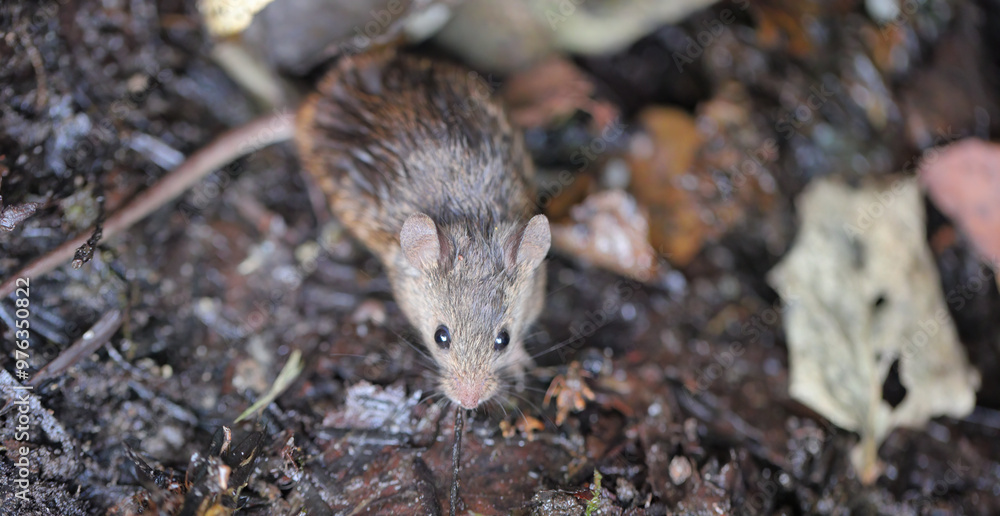
House mice are the most common mouse species found in houses in the UK and have light brown to grey fur, thin, hairy tails and round ears that are large in proportion to their heads. Mice can be distinguished from rats by their tails and by their smaller size. These small mammals have very large ears, a pointed snout, a long tail, a grey belly and large hind feet.
Public Health Risk Level:
High
Property Damage Risk Level:
High
House Mouse Facts
The house mouse (Mus musculus) is one of the most common rodents found in the UK. As the name suggests, house mice are most likely to be found in areas of human habitation, such as houses, which is why they are one of the most common species of pest mice that you’re likely to encounter.
The house mouse is often confused with the wood mouse, also known as the field mouse. The main difference is that wood mice have reddish/ brown fur and white/ grey bellies, while house mice are more grey to dark brown, with a slightly lighter stomach. Also, house mice have a scaly tail, unlike most other mice.
House mice have a life expectancy of 2-3 years if they find shelter and reliable food supplies. Female house mice can reach sexual maturity at around 6-10 weeks old, and can have 5-10 litters per year, with a gestation period of just 20 weeks. As such, house mice breed rapidly, especially when they have shelter inside buildings near to food sources.
How To Identify A House Mouse
If you’re unsure of the mice species you’re dealing with, some identifying features include:
- Colour: House mice have grey to sandy brown fur, with a slightly lighter stomach.
- Tail: A house mouse has a long, hairless tail that is the same length as its body, with scales.
- Ears: House mice have large, rounded ears with very little hair on them.
- Eyes: House mice have small eyes that are deep black in colour.
- Snout: House mice have a pointed snout.
- Feet: While house mice have relatively small feet compared to other species of mice, their feet look large in comparison to their bodies, especially their hind feet.
What To Do If You Have A House Mouse Infestation
If you suspect that you have house mice in your property, then you need to call Invicta Environmental. Our professional pest controllers can quickly identify the mouse species you’re dealing with and remove them before they cause serious issues.
Whatever species of mice or rodents you have in your space, if you have unwanted guests in your home, contact us today on 01388309345 to book expert mouse control.

Frequently asked questions
Yes, they can be. While a single house mouse might look small and harmless, they pose genuine risks to both your health and your property. Mice are carriers of various perilous diseases, bacteria, and parasites like Salmonella and Listeria which they spread through their droppings, urine, and saliva. Regarding property damage, rodents have incisors that never stop growing. To keep them sharp, they must chew constantly. They can cause severe structural damage by gnawing through woodwork, insulation, pipes, and even live electrical cables, creating a dangerous fire hazard.
If you spot a mouse or notice signs of activity like droppings or the sound of scratching, you need to act swiftly before a small problem becomes a major infestation. First, do not panic, but act fast. Mice breed incredibly quickly, so ignoring it will only make it worse. Next, remove food sources. Keep all food stored in airtight plastic or glass containers, vacuum up crumbs, and clear away pet food overnight. Avoid quick-fix poisons, because relying on over-the-counter rodenticides can be ineffective and risks harming local wildlife or family pets. Finally, call the professionals. Contact a BPCA-certified technician like Invicta. We conduct a thorough root-cause investigation to find how they are getting in, humanely eradicate the issue, and provide expert pest proofing to seal up entry points for good.
Yes, it is incredibly common. The house mouse is the most frequent rodent intruder found in UK homes, especially during the autumn and winter months. When the weather drops, they naturally seek out the warmth, shelter, and easy food sources that our homes provide. Because they can squeeze through gaps as tiny as the width of a ballpoint pen, even the cleanest and most well-maintained properties across Newcastle and the North East can suffer from an unexpected mouse problem.
It is rare, but it can happen. Mice are naturally timid creatures that are terrified of humans and will do everything they can to avoid us. They are nocturnal and prefer to forage in the dark when the house is completely quiet. However, if you are asleep, you are completely still and quiet. If a mouse has grown bold due to a large infestation, or if there are food crumbs in or near your bed, it may venture close to you while you sleep. If you are noticing mouse activity in your bedroom, it is a clear sign that the infestation needs professional attention immediately.