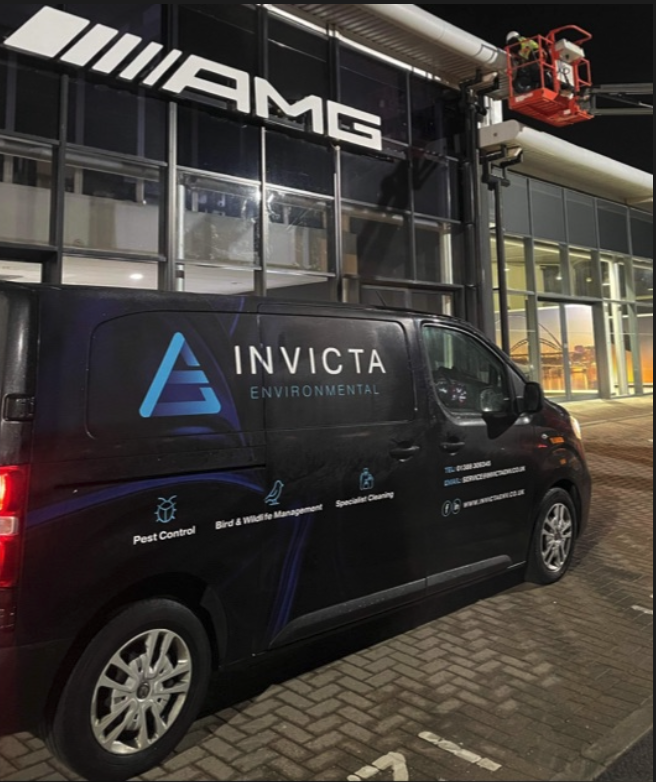

Feral Pigeon
Scientific Name
Columba livia
Season
Year-Round
Size
31-34 cm In Length, 63-70 cm Wingspan
Characteristics
Feral pigeons are usually dark grey to light brown in colour, with a ruff of white feathers and sometimes with an iridescent green sheen. They are relatively large birds that can fly but are often noticed sitting on ledges, fences and roofs.
Public Health Risk Level:
High
Property Damage Risk Level:
High

Frequently asked questions
Yes, feral pigeons carry a high risk for both public health and property damage. They are often referred to as flying rodents because they carry dangerous pathogens that can cause diseases like Psittacosis, Salmonella, and Histoplasmosis. These are easily spread through their droppings, feathers, and nesting materials. Additionally, their nests are frequently infested with biting parasites like bird mites, fleas, and carpet beetles, which can migrate into your living space.
Pigeons are descended from wild cliff-dwelling rock doves, which is why they are naturally drawn to high, flat surfaces like roof ledges, deep window sills, and commercial structural steel. In recent years, residential solar panels have become an incredibly popular nesting site. The small gap underneath the panels provides pigeons with a perfect, warm, sheltered environment that is entirely safe from predators like foxes or birds of prey.
Pigeon droppings (guano) are highly acidic and cause severe, lasting damage to buildings. Over time, the uric acid eats away at paintwork, stone, brickwork, and metal structure linings. Accumulated guano can also block gutters and downpipes, leading to internal water damage and roof leaks. On walkways and fire escapes, wet pigeon droppings create a major slip hazard for staff and the public.
Under UK law, wild birds are protected, meaning you cannot simply harm them or disturb active nests with eggs. The only effective, long-term solution is professional bird proofing. Invicta Environmental uses a variety of humane deterrence methods, including heavy-duty bird netting, discreet steel spikes, wire systems, and specialised mesh to seal off the gaps beneath solar panels. This physically blocks their access, forcing the flock to look elsewhere.