

Cluster Flies
Scientific Name
Pollenia rudis
Season
March To September
Size
6-10 mm In Length
Characteristics
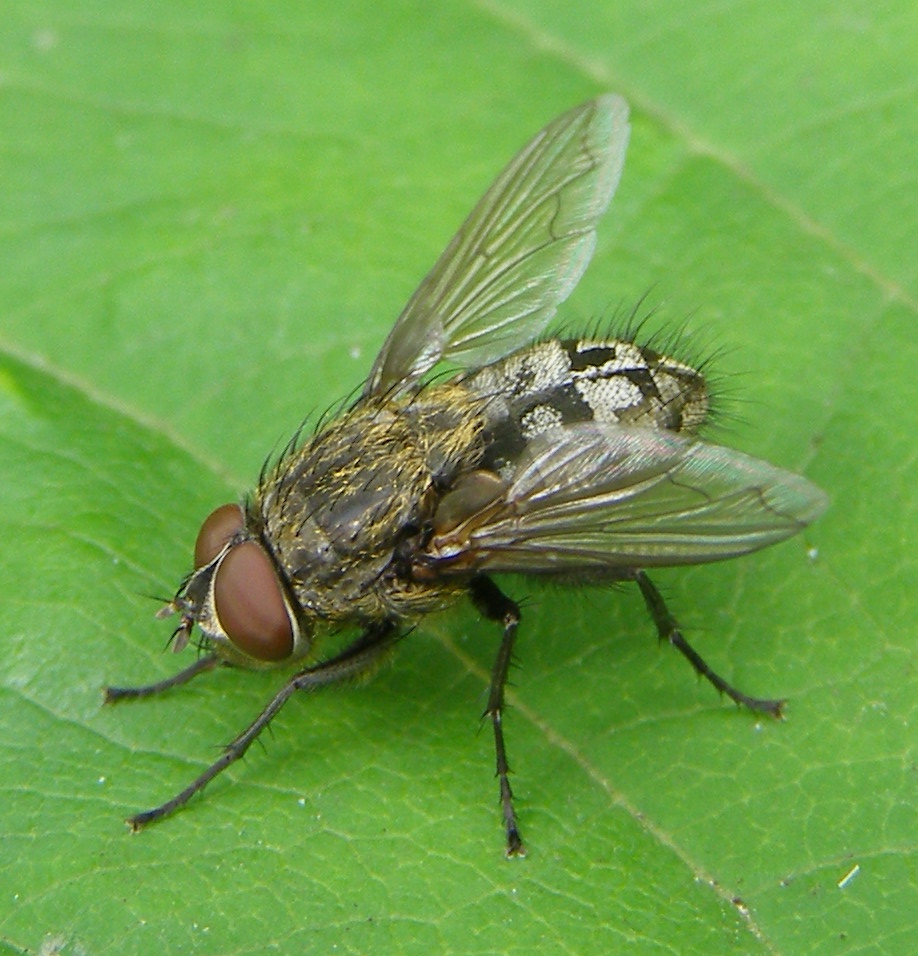
Cluster flies (Polleniarudis) are slightly larger than house flies and have dark grey bodies with downy hairs all over them, translucent wings and large, iridescent eyes that take up most of their heads. As the name suggests, cluster flies are often found in large groups.
Public Health Risk Level:
Low
Property Damage Risk Level:
Low

Frequently asked questions
No, they pose a low public health risk and do not cause property damage. Unlike standard houseflies or blowflies, cluster flies do not breed indoors, nor do they lay eggs on human food or garbage, meaning they are not associated with poor hygiene or the spread of gastrointestinal diseases. However, they are a massive seasonal nuisance due to the sheer volume of flies that gather together, which can leave unsightly spots on walls, light fittings, and loft insulation.
If your property experiences a cluster fly infestation, it is highly likely to happen again the following year. This is because hibernating cluster flies release a specific aggregation pheromone, leaving a chemical scent trail behind in your loft space. Even after the flies leave or are treated, this lingering scent acts as a beacon that attracts future generations of flies back to the exact same building.
As the weather cools down in autumn, cluster flies migrate indoors to find a warm, dark, and sheltered place to hibernate over the winter. They are particularly attracted to sunny, south-facing external walls, crawling through tiny gaps in window frames, fascia boards, and roof tiles to access your attic. Once inside, they enter a dormant state, clustering together in thousands to keep warm.
While vacuuming up visible flies or using basic retail fly sprays can provide temporary relief, these methods fail to reach the flies hiding deep inside roof crevices. To completely clear a severe infestation, Invicta Environmental uses professional Ultra Low Volume mist treatments. This specialised insecticidal fog penetrates deep into the smallest cracks where the flies hibernate, ensuring a rapid knockdown of the entire colony.