
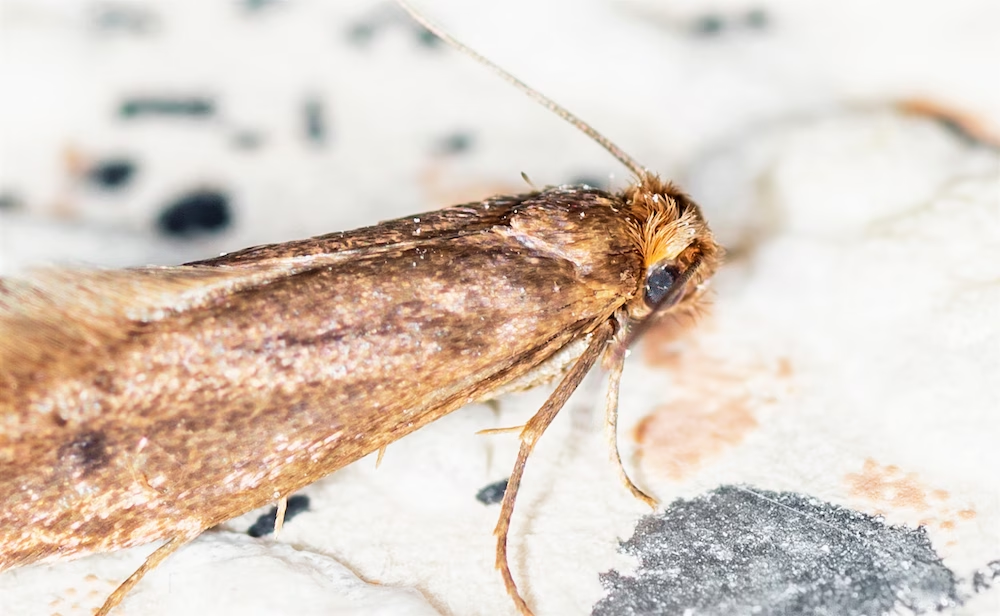
Case-Bearing Clothes Moth
Scientific Name
Tinea pellionella
Season
Summer And Autumn
Size
8-10 mm In Length
Characteristics
Case-bearing clothes moths look similar to common clothes moths, with furry, light-coloured wings with several darker spots, a dark brown head with two large, black eyes set on either side and long, thin antennae. The difference is that their larvae feed inside portable cases made from natural fibres instead of the flimsy cocoons made by clothes moth larvae.
Public Health Risk Level:
Low
Property Damage Risk Level:
Medium

Frequently asked questions
Yes, they carry a high risk for property damage, although they pose zero threat to public health. The adult moths do not feed at all, but their larvae cause severe destruction to natural fabrics. They feed on keratin, a protein found in natural fibres, which means wool carpets, silk curtains, luxury clothing, furs, feathers, and upholstered furniture can quickly be ruined by their feeding habits.
Adult moths often fly indoors through open windows and doors during summer evenings, or they migrate into living spaces from abandoned bird nests in the eaves or chimneys. They can also be accidentally brought inside on second-hand furniture, vintage clothing, or old rugs. Once inside, they seek out dark, undisturbed, and humid environments like wardrobes, drawers, and areas beneath heavy furniture to lay their eggs.
The most distinct sign is the presence of the larvae themselves, which live inside a small, portable, cylinder-shaped case made of silk and woven food debris. They drag this protective case around with them as they feed. Other clear signs include irregular holes in woollen clothing, bare patches in natural fibre carpets, and seeing the tiny, dull, grey-brown adult moths resting on walls or inside wardrobes.
While washing clothes at high temperatures and thoroughly vacuuming can help manage the problem, fully eradicating them usually requires professional intervention. The eggs and larvae are incredibly small and are often deeply hidden in carpet piles, behind skirting boards, and in floorboard cracks where vacuum cleaners cannot reach. Invicta Environmental uses specialised, targeted insecticidal treatments to eliminate the moths at every stage of their life cycle and protect your belongings.