

Table of contents
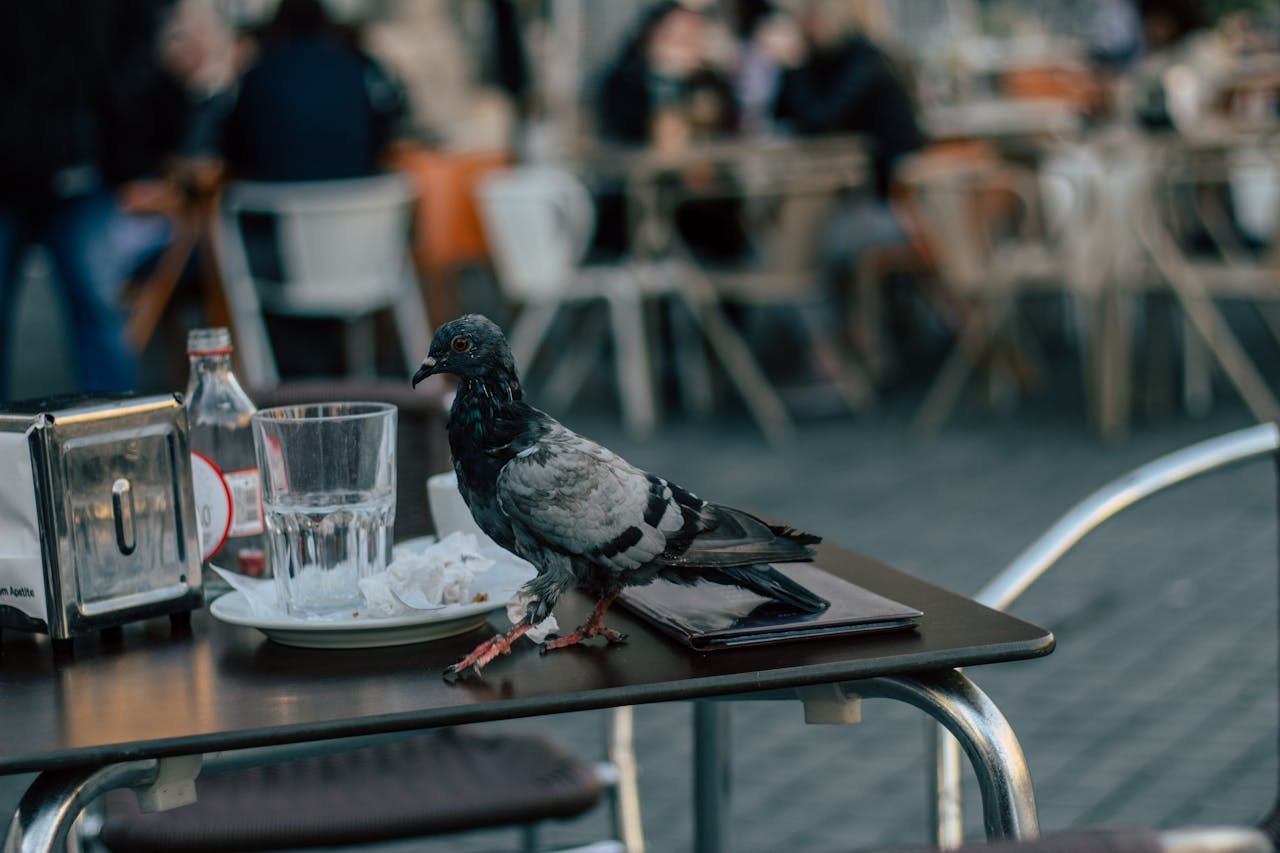
Pigeons are a common sight throughout the UK, but these large birds aren’t always welcome. When they roost under solar panels or on commercial sites, they can quickly become a nuisance.
Pigeons and other birds, such as seagulls, can be destructive and cause a health hazard if allowed to roost on your property. That’s why many homeowners and business leaders wonder how to get rid of pigeons and ensure they can’t return.
As a leading provider of bird control across Durham, Newcastle, Middlesborough, Sunderland and throughout the North East, Invicta Environmental understands the importance of pigeon control. Here’s our guide to how to get rid of pigeons for good.
Why It’s Important To Get Rid Of Pigeons
A few pigeons might not seem like a problem, but they can quickly turn into a serious issue. Some of the problems caused by roosting or nesting pigeons include:
- Health Risks: Pigeon droppings carry bacteria and diseases including psittacosis, histoplasmosis, salmonella, E. coli and cryptococcosis. These pathogens can become airborne when bird guano dries, and can be spread through properties if bird waste is deposited on or near ventilation systems.
- Further Infestations: Pigeons carry bird mites, which can spread across your property and to livestock, pets and humans.
- Slip Hazards: When wet, pigeon guano can be very slippery, and cause a trip hazard on walkways or staircases.
- Property Damage: Over time, bird droppings can corrode a range of materials, including metal, plastic and wood, causing lasting property damage. Pigeons can also peck at wiring underneath solar panels and dislodge roof tiles.
- Disturbance: Pigeons are noisy birds, so large numbers of them could cause noise issues, particularly during breeding season. If they are landing on a flat roof they can make loud thumping sounds that can be distracting.
- Reputation Damage: For businesses, a large amount of bird droppings can not only make your site look unclean but also unwelcoming. If visitors are being disturbed by pigeons, this could lead them to leave unfavourable reviews and damage your business’s reputation.
- Site Closure: In extreme cases, a pigeon infestation could result in site closure to protect public health, particularly if you run a food service or healthcare business. Also, sites such as airports can face disruption to services if pigeons land on runways or fly quickly around planes that are taking off or landing.
Pigeons And UK Law
Most of us think of pigeons as vermin, but they are protected under the Wildlife And Countryside Act 1981. Under the law, it is illegal to kill, harm, injure, or remove wild pigeons without a license.
It is also against the law to remove their eggs or disturb their nests while in use, which can mean that you may face a long wait before you can remove pigeons nesting on your site.
That’s why the best way to deal with pigeons is to use pigeon proofing methods to prevent pigeons from gaining access to your property.
Pigeon Control Methods
As pigeons are protected by law, it’s important that you use legal, humane methods to deter pigeons and stop them gaining access to your space. Some common methods used to discourage pigeons are listed below.
Remove Potential Food Sources
One simple method that can be ideal for homes or minor pigeon problems is to remove potential food sources. This may include taking down bird feeders and picking up fallen fruit from trees in your garden. This is one of the only DIY pigeon control methods that works, but only for minor issues.
Bird Netting
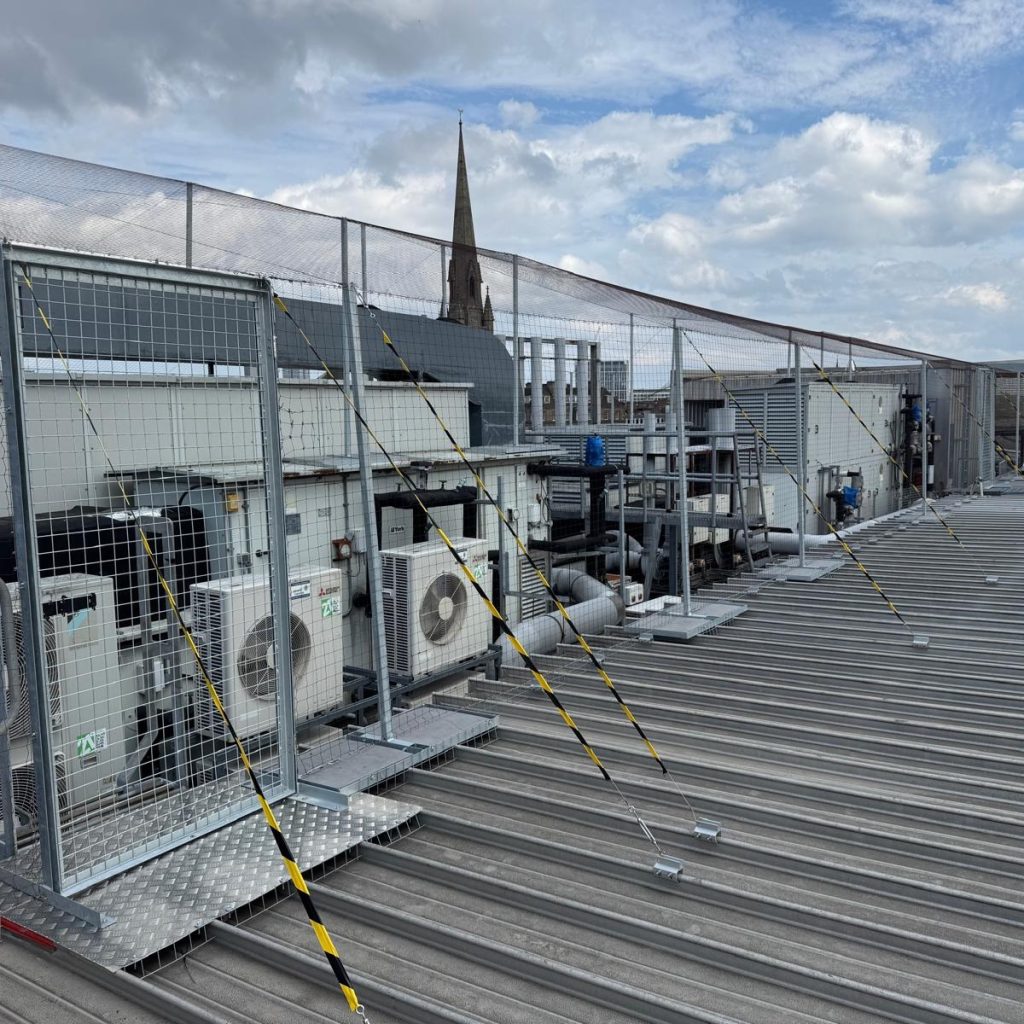
For commercial sites and more intensive pigeon infestations, bird netting installation is a simple way to create a physical barrier between the pigeons and your property. When installed by professionals, bird netting can be a simple, humane method that won’t allow pigeons or smaller birds to get stuck, and will stop pigeons nesting and roosting on your roof space or structure.
Bird Spikes
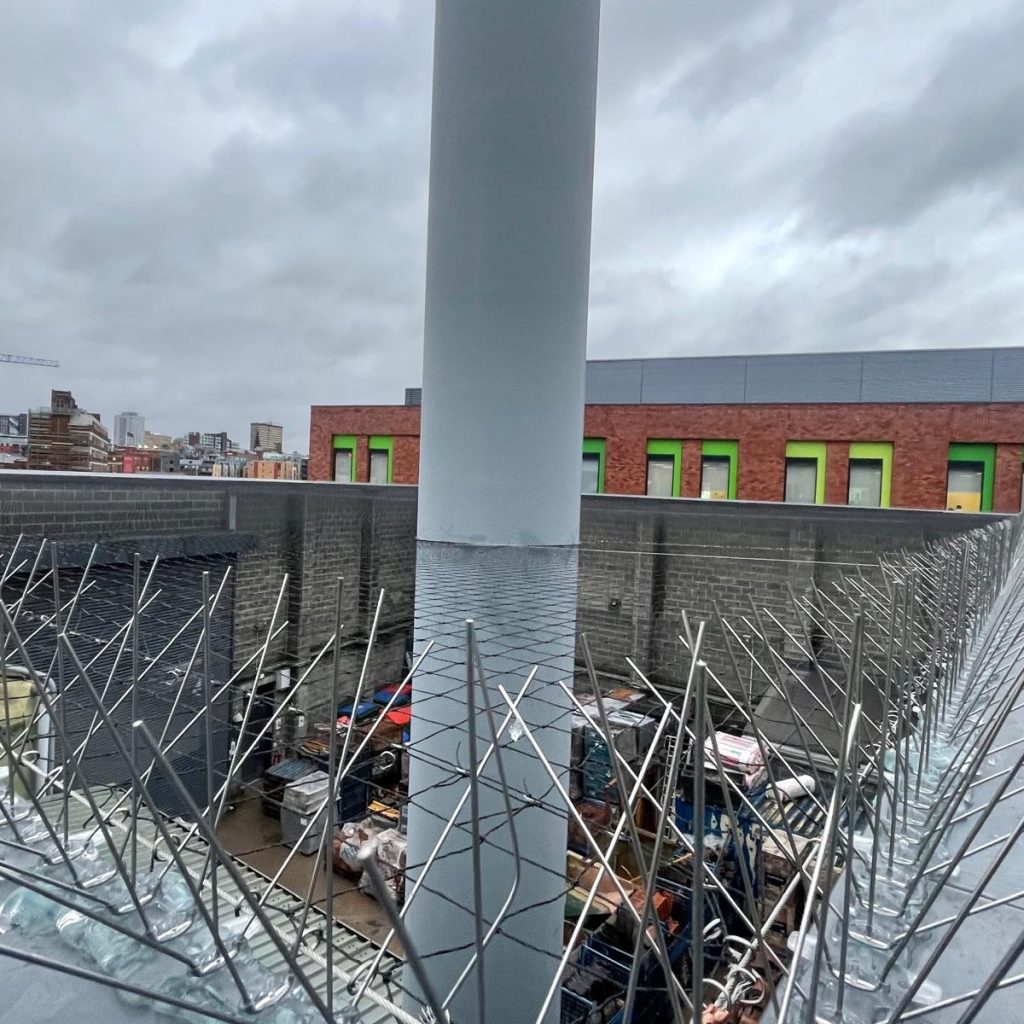
While they might look scary, bird spikes are actually an ideal way to repel pigeons humanely. Made from stainless steel or polycarbonate (a durable form of plastic), bird spikes are placed on roof ridges, ledges, window sills, balcony railings and other roof areas to deter pigeons and make it uncomfortable for them to perch. As pigeons are highly territorial, they will remember that they were uncomfortable on your roof and seek somewhere else to land.
Bird Post And Wire
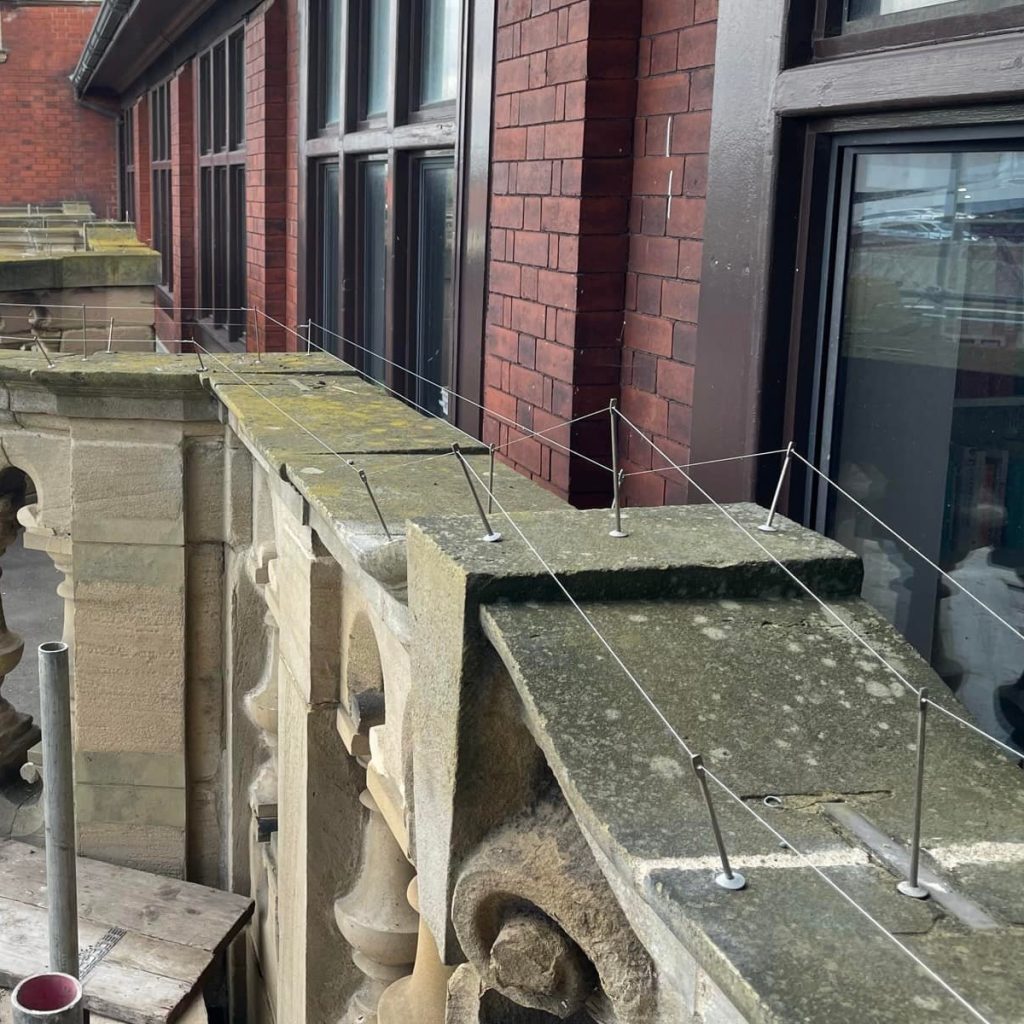
Another humane and simple bird deterrent is bird deterrent wire. Also known as a post and wire bird deterrent, or simply bird wire, the method involves stringing thin metal wires across ledges, and creating tension using small metal posts. When pigeons land on the wire, they feel unstable and this will make them leave and seek somewhere else to perch.
Bird-Free Gel
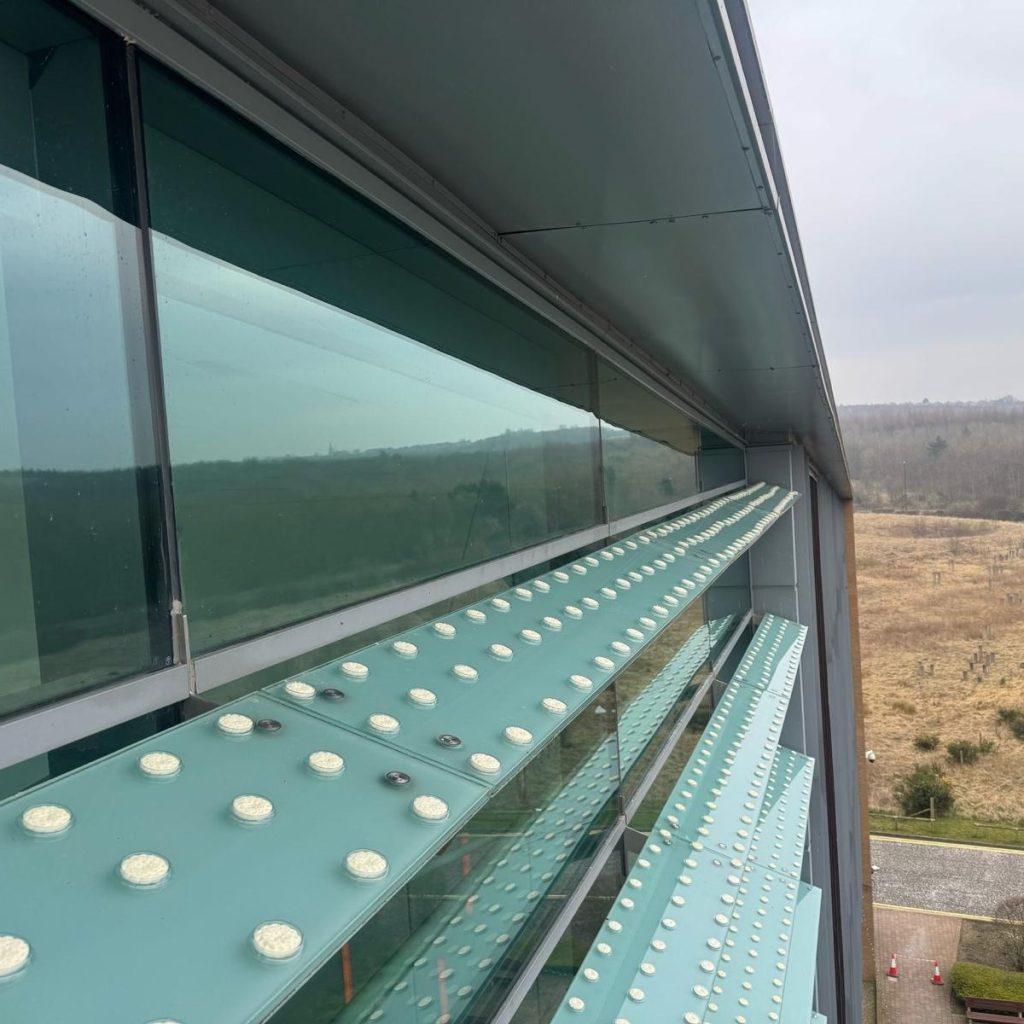
For large pigeon problems, bird-free gel, also known as fire gel, can be an ideal solution. The gel tricks pigeons into thinking that the area is on fire, and has a strong smell of peppermint, which they dislike. By placing bird-free gel strategically across your roof, you can discourage pigeons from landing on your roof.
Electric Bird Deterrents
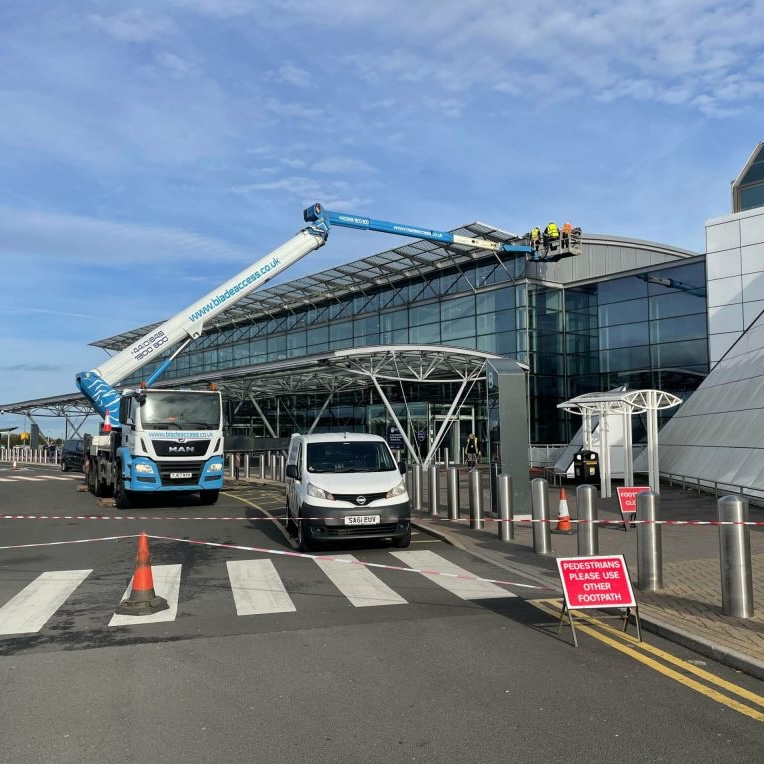
There are several electric bird deterrents which can be used to scare pigeons away from your property. These include Avishock electric track, which produces a light electric pulse that deters pigeons without harming them. There is also Flock Off, which creates a low-frequency electromagnetic field that will disrupt the natural navigation system used by pigeons and other birds to find their way back to their territory. It was developed with Ornithologists and designed not to cause lasting harm to pigeons. For large sites, state-of-the-art laser disposal systems make use of the way pigeons see laser light as physical objects to discourage them.
Pigeon Proofing For Solar Panels
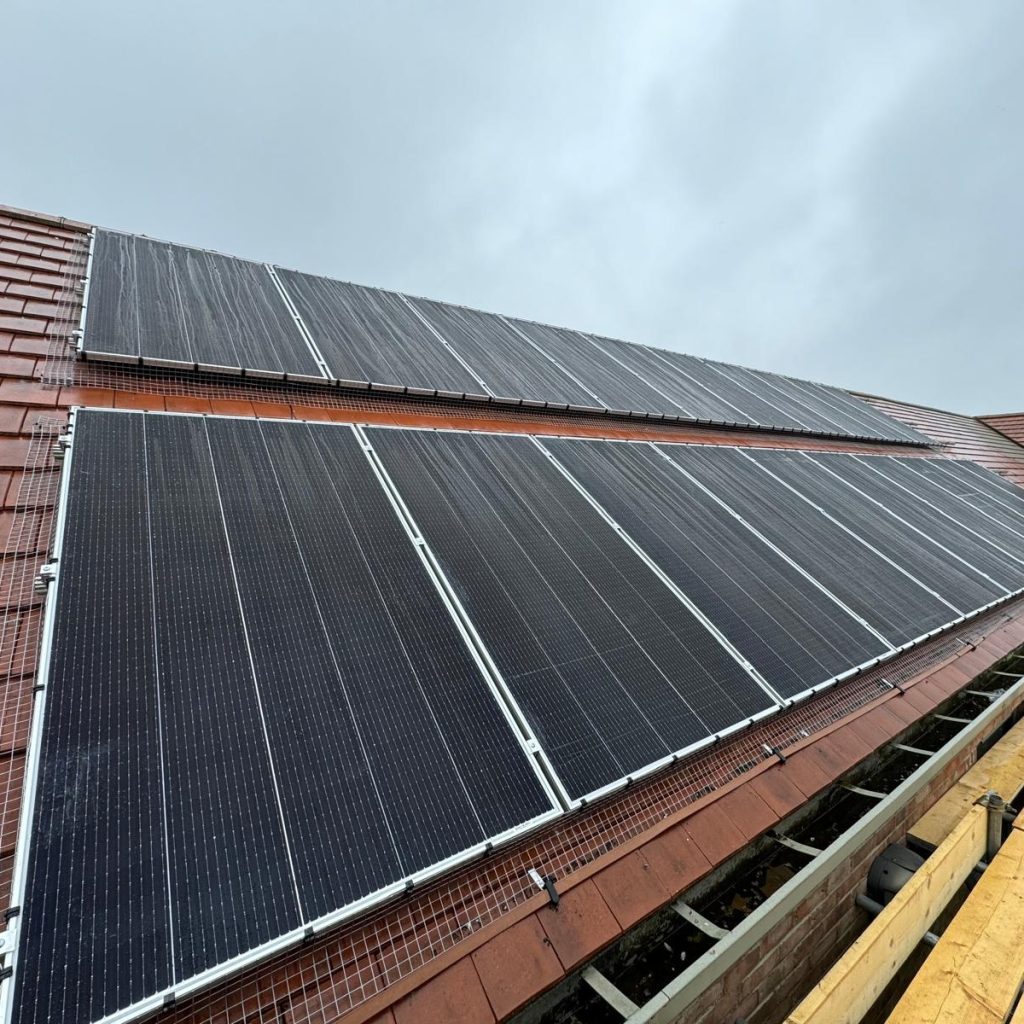
For solar panels, bird mesh can be one of the most effective ways of keeping pigeons away from the underside of the panels, which is one of their favourite spots to build nests and shelter from the weather or predators. Professional solar panel pigeon proofing will ensure you use the right methods to keep pigeons away from your solar technology.
The Importance Of Professional Pigeon Control
Now you understand how to get rid of pigeons, you might be wondering if it’s possible to do the work yourself.
While there are DIY pigeon control products available, these solutions are often low quality and ineffective. Additionally, roof spaces and other areas frequented by pigeons can be high-up and hard to reach without the correct equipment and skills.
If you try to install pigeon deterrents yourself, you may damage your property or cause harm to yourself. The solution will possibly be ineffective, making it simpler, safer and more cost-effective to get professional installation from the start.
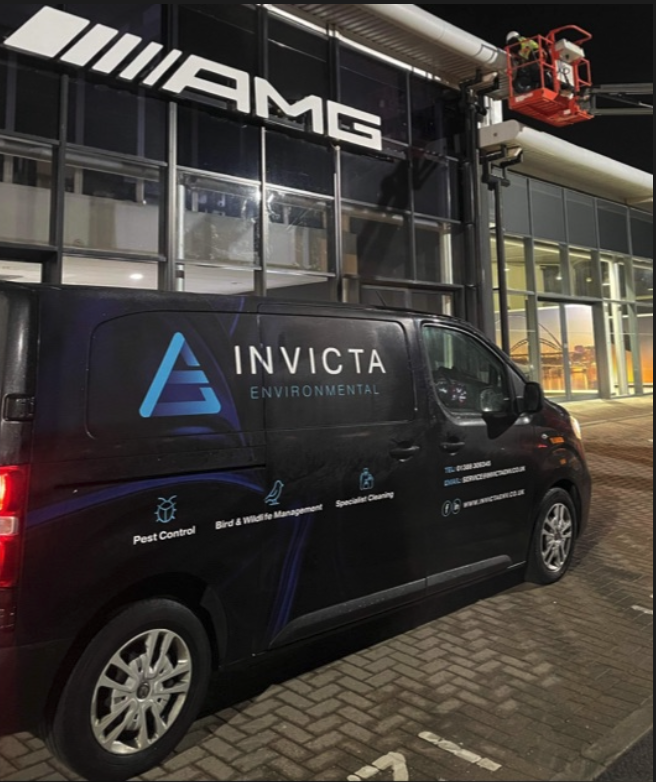
Invicta Environmental can carry out pigeon proofing for a range of sites throughout the North East and across the UK. Our team are all RSPH Level 2 certified and able to access bird control solutions that aren’t available to the general public.
Our technicians are trained in working at heights and can safely fit your bird proofing solutions, and provide ongoing site monitoring if necessary to reduce the chances of pigeons or other birds causing disruption.
Over the years, we’ve worked on many pigeon proofing projects, including bird proofing the A19 flyover, deep cleaning Newcastle Airport, installing bird netting at Spennymore FC’s football stadium and more.
If you’re ready to get rid of pigeons permanently, then contact us on 01388 309345 to book a site survey.