

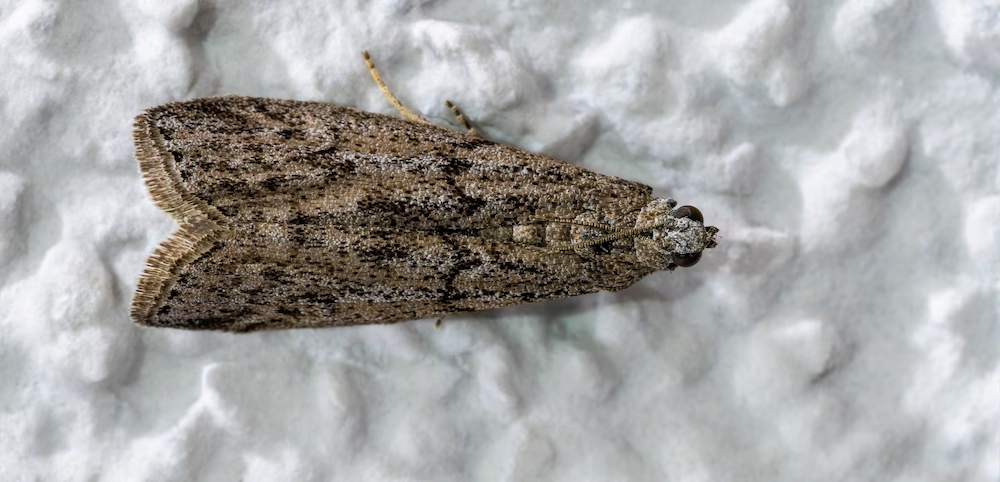
Brown House Moth
Scientific Name
Hofmannophila pseudospretella
Season
Summer And Early Autumn
Size
15-26 mm In Length
Characteristics
Brown House Moths have golden brown wings with black flecks. During the larval stage, these moths eat voraciously and consume natural fibres such as silk, cotton, wool and leather, as well as dried foods and grains.
Public Health Risk Level:
Low
Property Damage Risk Level:
Medium

Frequently asked questions
Yes, while they pose a very low risk to public health, they carry a high risk for property damage. The adult moths are harmless, but their larvae cause severe damage to home textiles, clothing, carpets, and upholstery. They feed on organic materials containing keratin, which means wool, silk, leather, feathers, and even natural hair fibres are all at risk of being ruined.
Outdoors, these moths live in bird nests, animal burrows, and general organic debris. They easily enter homes through open windows, doors, or damaged air bricks, and can even be brought inside on second-hand furniture. Once indoors, they seek out dark, quiet, and humid places to lay their eggs, such as inside wardrobes, behind skirting boards, and under heavy furniture.
The most common sign is finding irregular holes in natural fabric clothing or bare patches in wool carpets and rugs. You might also notice small, creamy white larvae or their silk-like cases and webbing hidden in dark, undisturbed areas. Seeing the adult moths, which are bronze-brown with dark spots, crawling or flying around your rooms is another clear indicator.
Thoroughly vacuuming your home and washing affected clothes at high temperatures can help manage a minor issue, but fully eradicating an infestation requires professional help. The eggs and larvae are often deeply embedded in carpet piles and floorboard cracks. Invicta Environmental uses targeted, specialist insecticidal treatments to eliminate the moths at all life stages and prevent them from returning.