



Table of content
Bed bugs are one of the most stressful pest problems you can have in your home or business premises, as they cause itchy bites and disturbed sleep.
In fact, studies show that bed bug infestations produce psychological symptoms akin to PTSD, so it’s key that you’re proactive and work to avoid a bed bug problem where possible.
As an experienced provider of bed bug control across Durham, Newcastle, Middlesborough, Sunderland and throughout the North East, Invicta Environmental understands the importance of prompt bed bug identification. That’s why we’ve put together this guide to help you identify bed bugs.
What Causes A Bed Bug Infestation?
Bed bugs are spread by contact with infested items, which is why they’re commonly spread by travellers who stay in hotels with a bed bug infestation. Bed bugs can also be found on public transport seats.
In homes, bed bugs can spread through contaminated luggage being bought in, or on clothing that has been in contact with contaminated items.
Additionally, if you buy secondhand furniture, you may find bed bugs deep inside it. Bed bugs can lie dormant for up to a year in cold temperatures and without a blood meal, which is why it’s important that you always deep clean any used furniture before putting it into your home.
What Do Bed Bugs Look Like?
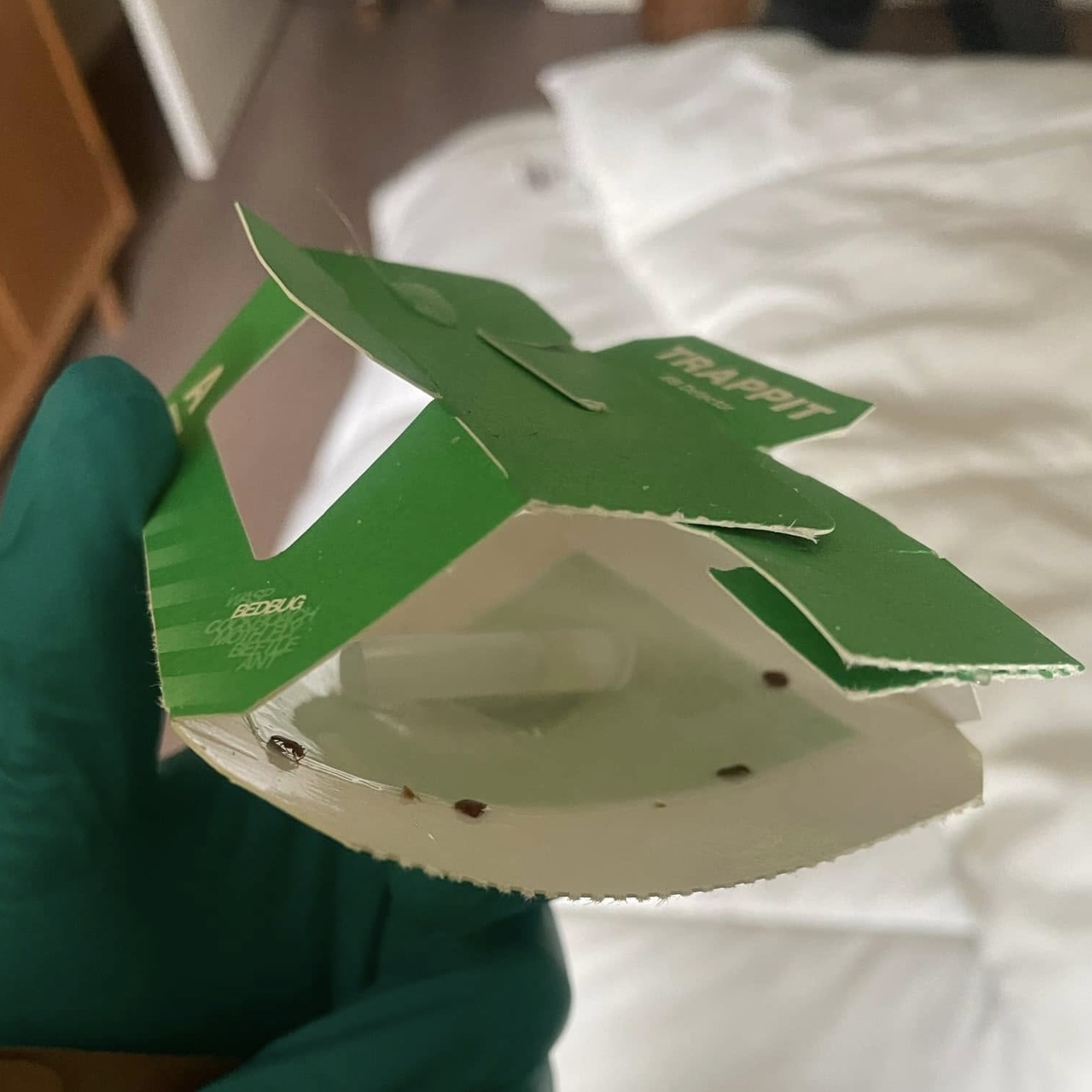
Bed bugs are reddish brown in colour, and adult bed bugs grow to just 4 mm to 7 mm in length, making them around the size of an apple seed or a grain of rice.
While bed bugs might seem similar to fleas, they are actually very different in appearance. Bed bugs are oval in shape and flat, whereas fleas are thin from the top with an oval stomach that hangs down beneath them and long back legs.
Bed bugs have 6 legs, 3 on each side of their bodies, and 2 small antenna on the front of their heads. Being so small, you might struggle to see bed bugs with the naked eye, especially as young bed bugs are even smaller than adults.
Still, you may be able to see bed bugs with a strong magnifying glass, or notice other signs of bed bug activity.
If you’re unsure what bed bugs look like, you can use our Pest Identification Tool to identify bed bugs.
Common Areas Bed Bugs Live
When searching for bed bugs, in your own home or a hotel room, it’s important that you inspect more than just the outside of the bed. Some areas bed bugs often hide include:
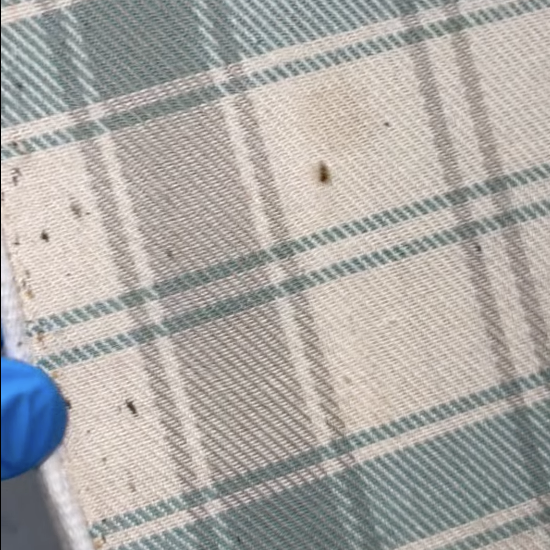
- Carpets: Bed bugs can sometimes hide inside carpets, so you may notice small creatures in your carpet. If you see bare patches, this is more likely to be a carpet beetle or moth infestation, as bed bugs are parasitic and only eat human blood.
- Bed Linen: The first place to check for bed bugs is on or in bed linen. This is easier with lighter bed clothes, as you’re more likely to notice dark spots and reddish brown insects.
- Mattress Seams: Mattress seams are a common bed bug hiding place, so consider pulling back bed clothes to check for bed bugs, eggs or other signs of bed bugs.
- Bed Frames: Bed bugs often hide deep inside bed frames, so you may need to take this apart to find them. This step is often used during the treatment stage, and it is not recommended that you take bed frames apart in hotel rooms.
- Behind Loose Wallpaper: Loose wallpaper can be a hiding place for bed bugs, and since plaster is often a light pink, it can be easy to spot the dark bed bugs on it. Bed bugs may also get stuck to the back of the loose wallpaper, which is also usually cream or white, so if you have loose wallpaper in your home this can be an ideal place to check.
- Soft Furniture: As well as beds, bed bugs can hide deep inside soft furnishings, such as sofas, armchairs and other upholstered furniture. Check the seams and cushions for dark spots and small specks, which could be bed bugs.
Other Signs Of Bed Bugs
As well as a bed bug sightings, some signs of bed bugs include:
- Musty Smell: A large infestation will leave behind a musty, sweet smell that won’t go away with cleaning.
- Reddish Brown Spots On Bedding: Splotches that are dark brown to red in colour could be bed bug excrement. These dark faecal spots are often easy to see than the bed bugs themselves.
- Bed Bug Bites: Bed bug bites are reddish welts that are often found on exposed skin, such as your hands, feet and neck.
- Bed Bug Eggs: When searching for bed bugs, you may notice clusters of tiny eggs. These are usually white or yellowish in colour, and are found in areas where bed bugs congregate such as bed frames, mattresses and box springs.
What To Do If You Find Bed Bugs
If you notice bed bugs in your hotel room, then you should immediately let the hotel staff know and try to arrange for alternative accommodation.
If this is impossible, try to find another room, and request a plastic mattress topper if possible. When you get home, make sure you put your clothes in a hot wash to kill bed bugs that travelled on them, and give yourself a hot shower.
For bed bugs in your home, you need professional bed bug treatment. Invicta can provide professional treatment for bed bugs, as well as other insects and common pests, including rats, mice, squirrels, wasps, cockroaches, ants, seagulls or nuisance wildlife.
With domestic and commercial pest control services available, we can provide tailored solutions for homes, hotels and other hospitality providers to protect everyone from bed bugs and other vermin.
If you notice signs of bed bugs, contact us on 01388 309345 and a member of our friendly team will be happy to discuss treatment options.