

Bumblebee
Scientific Name
Bombus
Season
Spring And Summer
Size
11-25 mm In Length
Characteristics
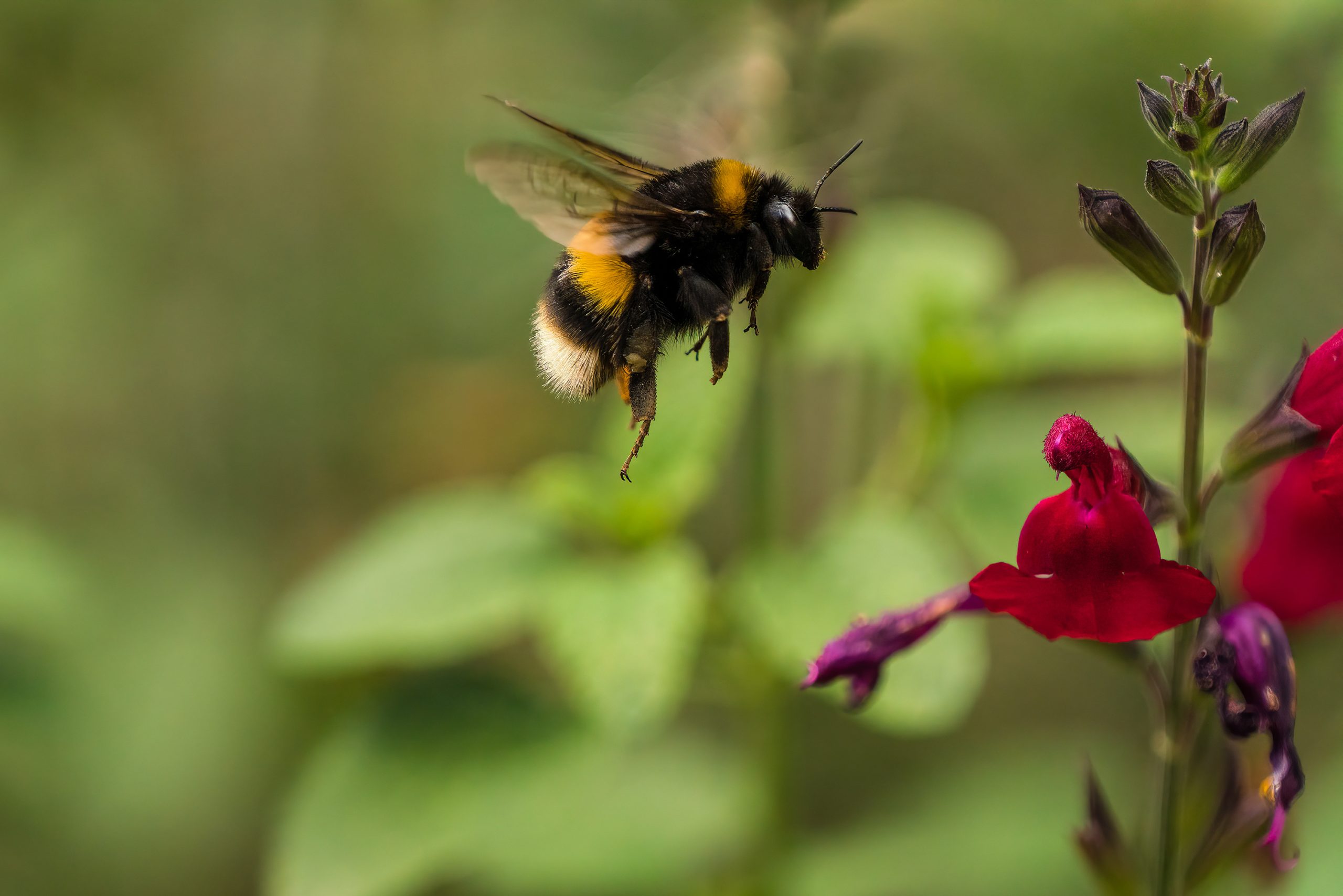
Bumblebees are small, winged insects with fluffy black and yellow-striped bodies. They have small antennae and eyes set on the sides of their heads.
Public Health Risk Level:
Medium
Property Damage Risk Level:
High

Frequently asked questions
No, bumblebees pose a very low risk to public health and zero risk of property damage. They are naturally docile insects that are completely focused on collecting pollen and nectar. Unlike wasps, they are not aggressive and will only sting if they are handled roughly or if their nest is directly threatened. However, their stings can cause painful swelling and potential allergic reactions in sensitive individuals.
While bumblebees are not explicitly protected by law from pest control treatments, they are vital pollinators facing steep population declines. Because of their environmental importance, professional pest controllers will not exterminate them unless there is an extreme, unavoidable threat to human safety. In almost all cases, leaving the nest alone or choosing a safe relocation is the correct path forward.
Bumblebees are much larger, rounder, and distinctly fuzzier than other stinging insects. They have prominent bands of black and yellow or orange fur with a white or colourful tail. Honeybees are smaller, slimmer, and have a more subdued brown and amber appearance. Wasps are entirely smooth and shiny with bright yellow and black bands, a narrow waist, and much more aggressive foraging behaviour.
If a bumblebee nest is located in a quiet spot like a compost heap or a bird box, the best option is to leave it alone. The colony will naturally die out by autumn, and the bees will not reuse the same nest next year. If the nest is in a dangerous location like a low loft entry or near a children’s play area, contact Invicta Environmental. We can safely assess the nest and advise on potential relocation options to keep everyone safe.